
동북아역사재단 NORTHEAST ASIAN HISTORY FOUNDATION 로고 동북아역사재단 NORTHEAST ASIAN HISTORY FOUNDATION 로고

외국어도서
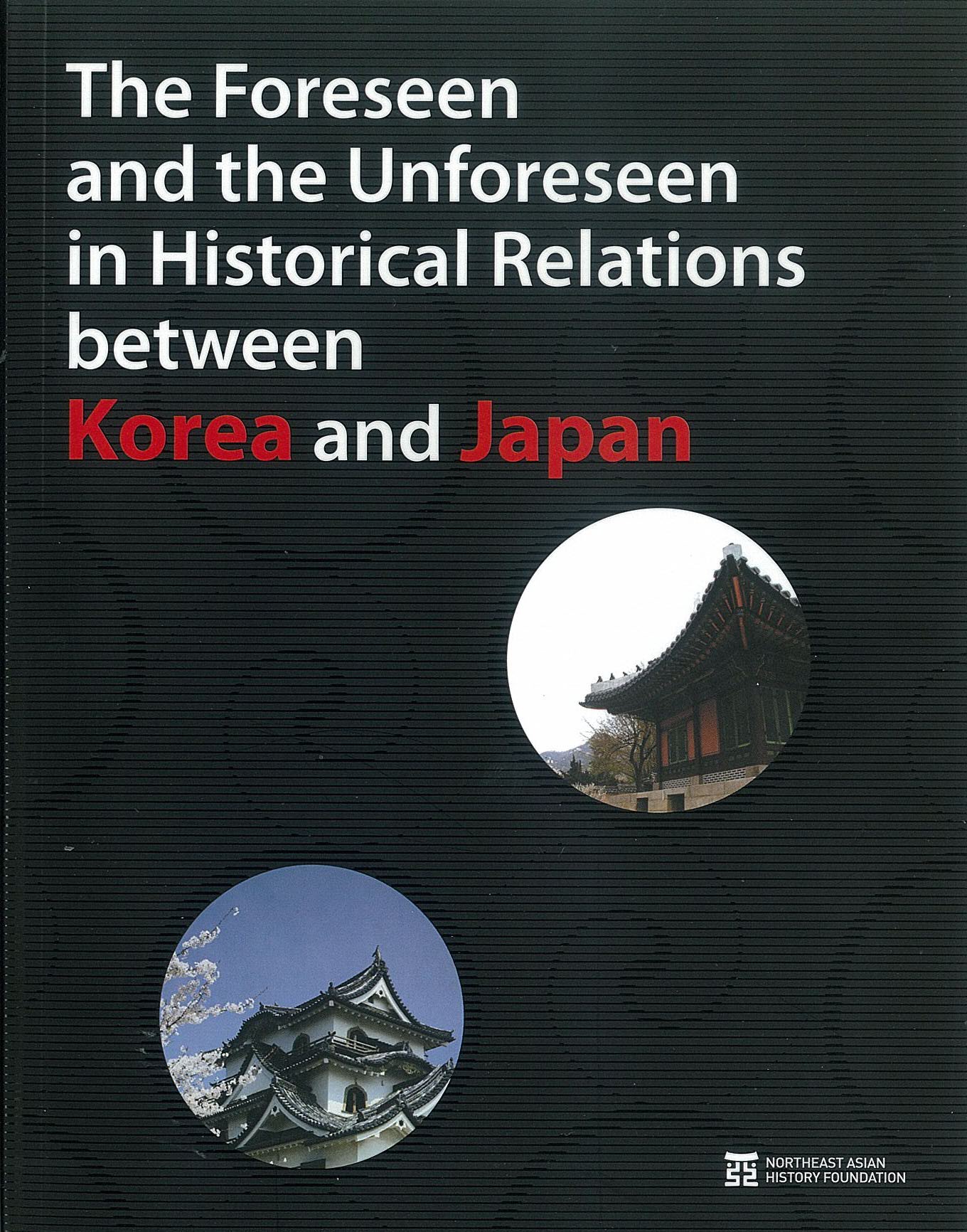
The Foreseen and the Unforeseen in Historical Relations Between Korea and Japan
  • 작성일 2010.03.04
  • 조회수 4438
The Foreseen

The Foreseen and the Unforeseen in

Historical Relations Between Korea and Japan


o 저자

Chung Inseop et al.

o 사양

46판 변형 | 464

o 분류

외국어도서

o 정가

20,000

o 발간일

2009 12 3

o ISBN

978-89-6187-140-2


저자


Chung Inseop | Seoul National University

Chung Jaejeong | Northeast Asian History Foundation

Chung Sungil | Kwangju Women’s University

Eom Chanho | Kangwon National University

Ha Woobong | Chonbuk National University

Han Moonjong | Chonbuk National University

Hong Seongduk | Chonbuk National University

Hyun Myungcheol | Kyunggi High School

Jang Sunsun | Presidential Committee for the Inspection of Collaborations for Japanese Imperialism

Jung Hyoun | Dongeui University

Kim Dongchul | Pusan National University

Kim Dongmyung | Kookmin University

Kim Eunsuk | Korean National University of Education

Kim Minyung | Kunsan National University

Kim Moonja | Sangmyung University

Lee Byeongno | Keimyung University

Lee Hoon | Northeast Asian History Foundation

Lee Jaeseok | Northeast Asian History Foundation

Lee Sangbae | The City History Compilation Committee of Seoul

Lee Youngshik | Inje University

Min Deakkee | Cheongju University

Na Jongwoo | Wonkwang University

Nam Sanggu | Northeast Asian History Foundation

Nam Sangho | Kyonggi University

Oh Sung | Sejong University

Park Chunsoo | Kyungbuk National University

Rhee Kunwoo | Pukyung National University

Son Seungcheul | Kangwon National University

Yeon Minsu | Northeast Asian History Foundation

Yoon Yusook | Northeast Asian History Foundation


도서 소개


Although Korea and Japan have lived through a number of painful episodes including wars and the period of colonial rule, they have been on good and friendly terms with each other for a considerably longer period of time. Nevertheless, under the current circumstances, such terms as confrontation, conflict, invasion, resistance, and distortion of historical facts, rather than peace, friendly relations and coexistence, quickly spring to mind when talking about the relations between the two countries. Throughout some two thousand years of bilateral relations, Koreans came to acquire a sense of cultural superiority as residents of a country that had once transmitted valuable culture and knowledge to its neighbor, gradually constructing an image of the Japanese as uncultured barbarians. By contrast, the Japanese - as the people of a country that succeeded in making rapid progress in modern times - looked down on, and ultimately colonized, Korea. Indeed, many Japanese still think that they benefited Korea immensely by bringing Korea “the advantages of modern civilization,” although they subjected the Korean people to the hardships and oppression of colonial rule. It is doubtful whether healthy and peaceful historical views can be established when a country aggressively pursues its own interest without ever considering the situation of its neighboring countries. This book was compiled in an effort to bring an end to confrontational and negative historical views and to seek the establishment of friendly relationships with neighboring countries based on the principles of tolerance, understanding, forgiveness, repentance, consolation, reconciliation, and collaboration.


차례


1. How Korean Artifacts Reached Wa in Ancient Times /Park Chunsoo
2. Facts of the Diplomatic Relationship between Korea and Japan Hidden in the Wooden Coffin from the
Tomb of King Muryeong /Rhee Kunwoo
3. The Secret of a Red Lacquered Cabinet in the Shosoin /Yeon Minsu
4. The Historical Significance of the List of Procurements from Silla in the Shosoin / Kim Eunsuk
5. The Gwanggaeto Stele Inscription''s Real Meaning /Yeon Minsu
6. Imna Nihonfu: Not a Japanese Governing Institiution /Lee Youngshik
7. Were the Wako Pirate Groups Controlled by Japanese Tribal Clans? /Na Jongwoo
8. Why Did the Five Kings of Wa So Loathe Goguryeo? /Lee Jaeseok
9. Who Made Japan''s National Treasure No. 1? /Jung Hyoun
10. Rethinking Nihon shoki / rhee Kunwoo
11. Jang Bogo, the Merchant King of Ancient East Asia and His Trade with Japan / Lee Byeongno
12. How Did Citizens of Joseon who Drifted Ashore in Japan Return Home? / Lee Hoon
13. Why did Royotomi Hideyoshi Provoke the Japanese Invasion of 1592? /Kim Moonja
14. Joseon''s Ginseng and Japan''s Silver /Chung Sungi
15. Dongnae Merchants: Forerunners of Trade sith Japan /Kim Dongcheol
16. How Was Smuggling Between Joseon and Japan Treated in the Late Joseon Period? / Yoon Yusook
17. The Japan House, a Japanese Community in Busan / Jang Sunsun
18. Tsushima Belonged to Both Japan and Korea /Han Moonjong
19. The Japanese Inasion of Korea in the 1592-1598 Period and the Exchange of Culture and Civilization  
Between the Two Countries /Ha Woobong
20. Kang Hang and Confucianism in Modern Japan /Ha Woobong
21. What was the Korean View of the King of Japan Durion the Joseon Period? / Song Seungcheol
22. The Muromachi Bakufu''s Requests to Joseon for the Facilitation of Tribute Trade with Ming China /
Min Deakkee
23. Tongsinsa : A Symbol of Faith or a Symbol of Tribute - Understanding the Tongsinsa in the Joseon Period? 
/Hing Seongduk 
24. A Study of Communication between Joseon and Japan : Primarily Based on Interpreters'' Documents /Lee
Hoon
25. The Japanese Invasion of Korea was Initiated as Early as  1872/ Son Seungcheol
26. The Japanese Insistence on the Invasion of Korea in the Late Edo Period and the Meiji Period / Hyun Myungcheol
27. Whpo A ssassinated Empress Myeongseong? /Eom Chanho
28.  What Were the Characteristics of Japanese Imperialism in Joseon? / Kim Dongmyung
29. The Japanese Imperialists'' Destruction of Korea''s Cultural Heritage /Lee Sangbae
30. The Mobilization of Young Korean Men by Japanese Colonists for Forced Labor and Military Service / Kim Minyung
31. The Historical Perspective of Colonial Rule as Korea''s Fate and the Correct Historical View /Oh Sung
32. Did Imperial Japan''s Colonial Industrialization Contribute to Korea''s Economic Development? / Chung Jaejeong
33. What Were the Problems Ingerent in the Republic of Korea-Japan Normalization Treaty? /Chung Jaejeong
34.  Post-war Japan and Yasukuni Shrine - Why do Prime Ministerial Visits to Yasukuni Shrine Arouse such Controversy? /Nam Sanggu
35. History Education in Japan : Truth or Distortion? /Chung Jaejeong
36. Japanese Imperialism in Daily Life /Nam Sangho
37. Has Compensation for the Damage Inflicted during Japan''s Colonial Rule been Completed? /Chung Inseop
38. Koreans Deserted in Sakhalin /Kim Minyung
39. Why Did Japan Unilaterally Abrogate the Agreement Between Japan and the Republic of Korea Concerning Fisheres? /Chung Sungil
40. Dokdo is South Korean Territory / Lee Hoon