
- Major ActivitiesMajor ActivitiesThe Northeast Asian History
Foundation is the center of
Northeast Asian history research - ResourcesResourcesThe Northeast Asian History
Foundation is the center of
Northeast Asian history research - NewsNewsThe Northeast Asian History
Foundation is the center of
Northeast Asian history research - IntroductionIntroductionThe Northeast Asian History
Foundation is the center of
Northeast Asian history research
-
Screen size
-

- Major Activities
- Resources
- News
- Introduction
- Website Guide
Activities
- Hit 339
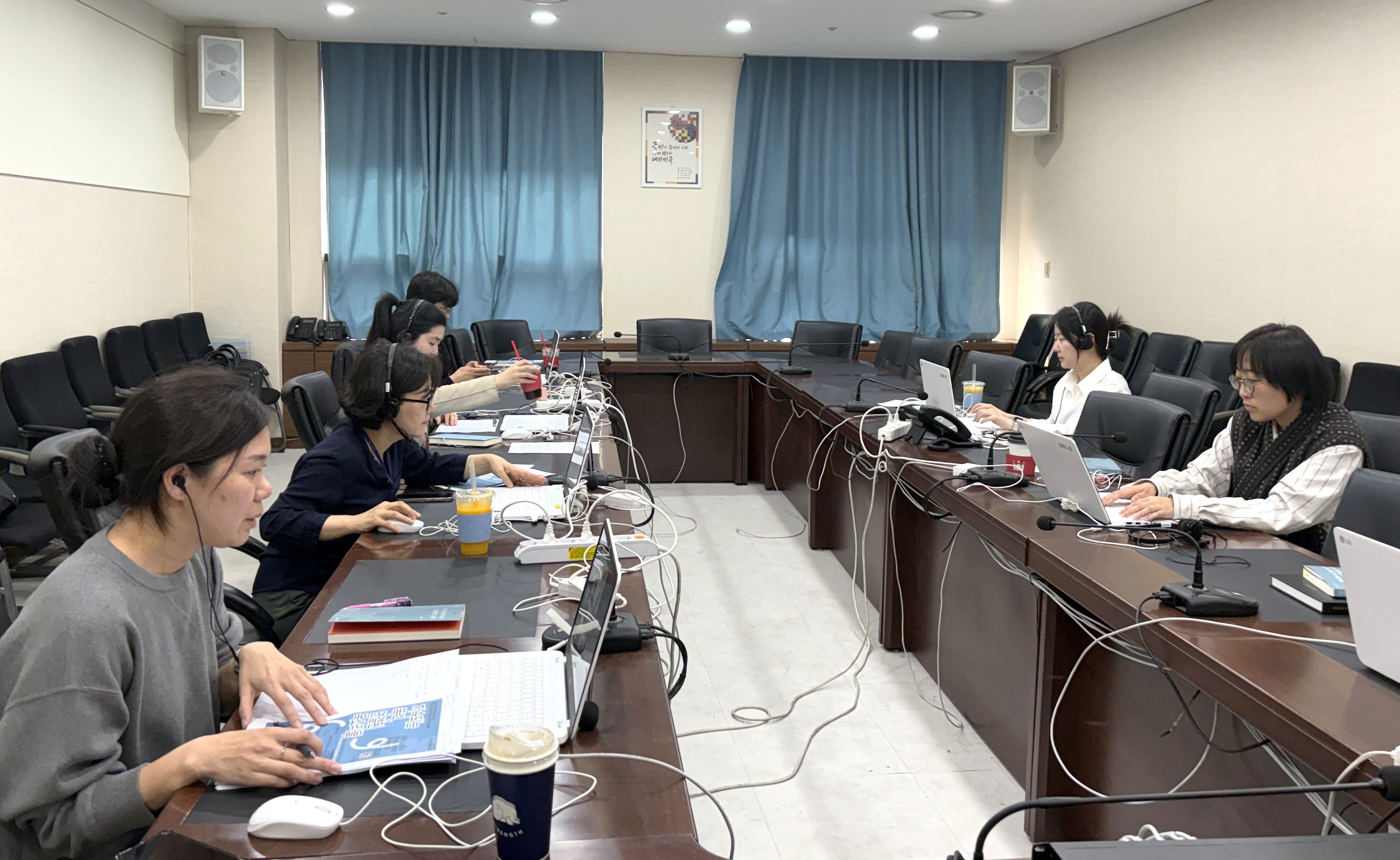
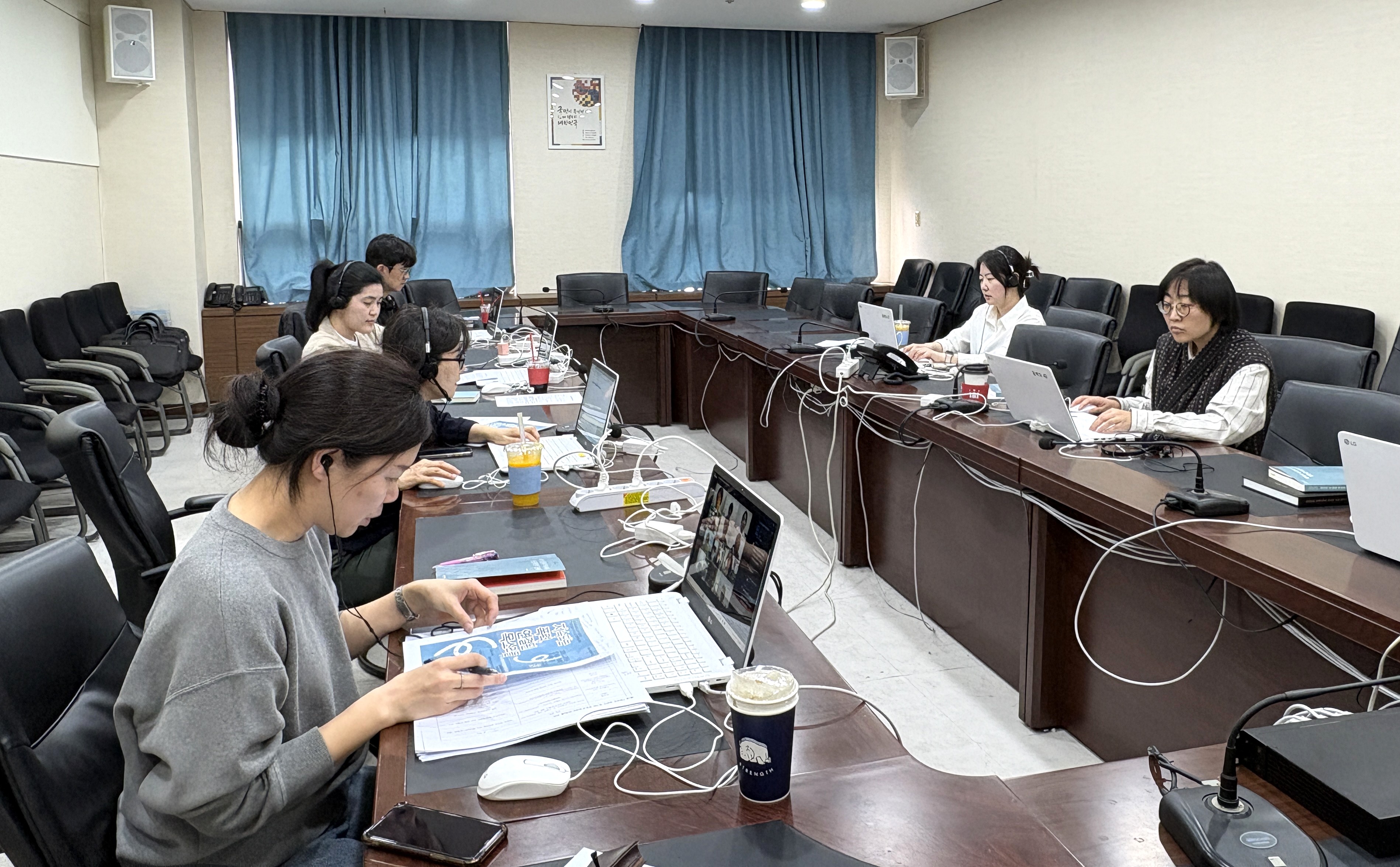
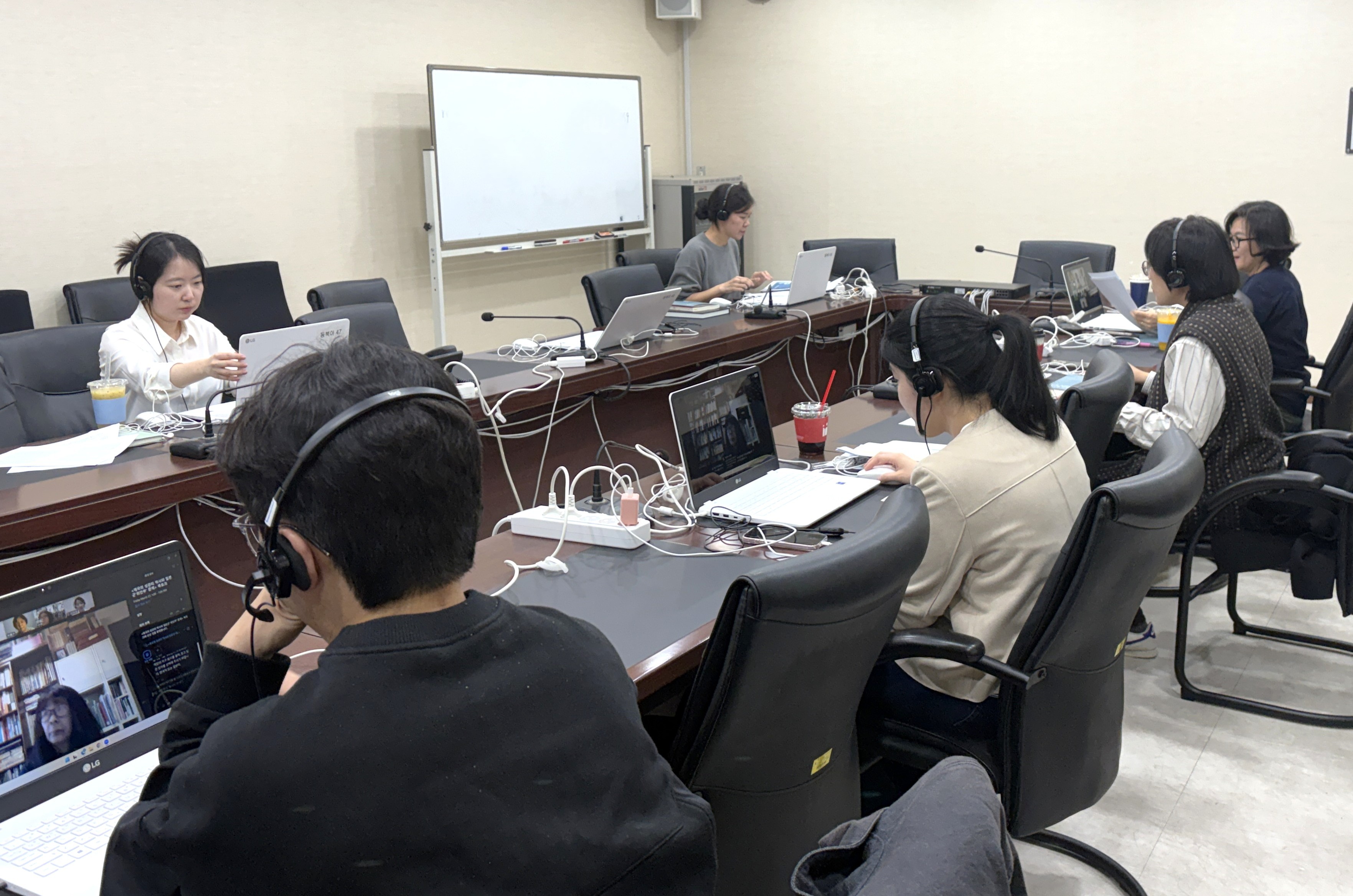
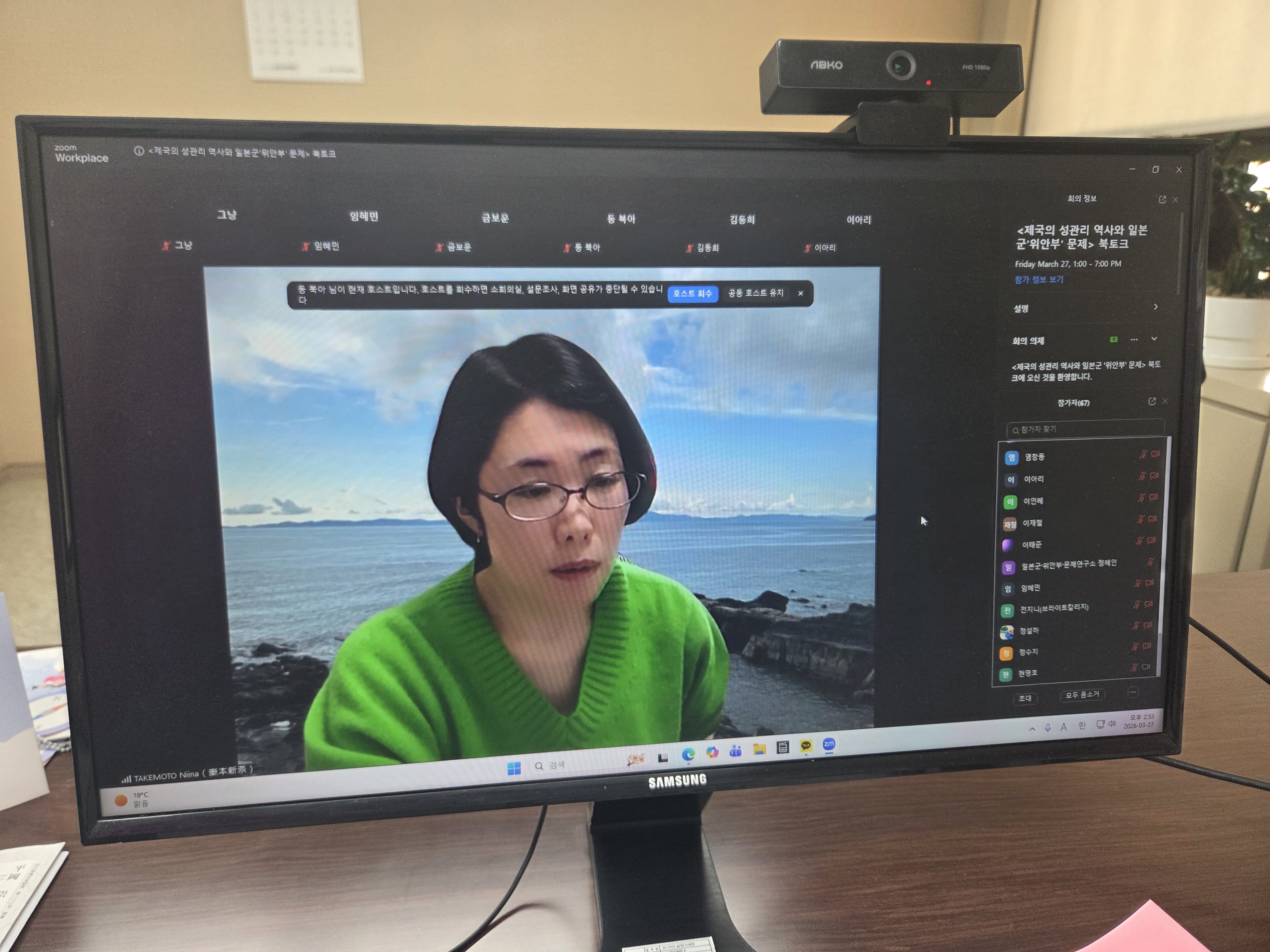
On Friday, March 27, the Northeast Asian History Foundation held an online Zoom book talk in the Foundation’s main conference room to commemorate the publication of The History of Sexual Control in the Empire and the Issue of the Japanese Military “Comfort Women.”
Focusing on the issue of the Japanese military “comfort women,” The History of Sexual Control in the Empire and the Issue of the Japanese Military “Comfort Women” historically examines how women’s human rights have been violated under war and imperialist systems. At the same time, it closely explores what the concept of “universal women’s human rights” means in actual historical reality.
This book talk was organized to reflect on the significance of the publication, to promote continued academic exchange among related researchers, and to respond to denialism surrounding the victims of the Japanese military “comfort women” system.
Presentations were given by Nina Takemoto (Ochanomizu University), Yoko Hayashi (Nagoya University), Suhee Jang (Dong-A University), Yuki Fujime (Osaka University), Jaeye Baek (University of Massachusetts), and Jeongae Park (Northeast Asian History Foundation).
The discussion session was joined by Eunkyung Kim (Hansung University), Yanghee Hong (Hanyang University), Ajeong Shim (independent researcher), Kyunghui Cho (Sungkonghoe University), Mihye Kim (University of Tokyo), Wona Jang (The Institute for Korean Historical Studies), Ari Lee (Northeast Asian History Foundation), and Myungho Hyun (Northeast Asian History Foundation).
It was a meaningful occasion to remember the issue of the Japanese military “comfort women” in order to eradicate the structural roots of sexual violence that have been repeatedly reproduced under similar conditions, to realize universal women’s human rights, and to discuss the “ongoing violence” through which women have been mobilized and exploited across time and space, as well as possible solutions to these issues.
- No Data